Data Center Landscaping Services For Secure, Low-Maintenance Grounds
What Data Centers Should Expect from a Commercial Landscaping Partner
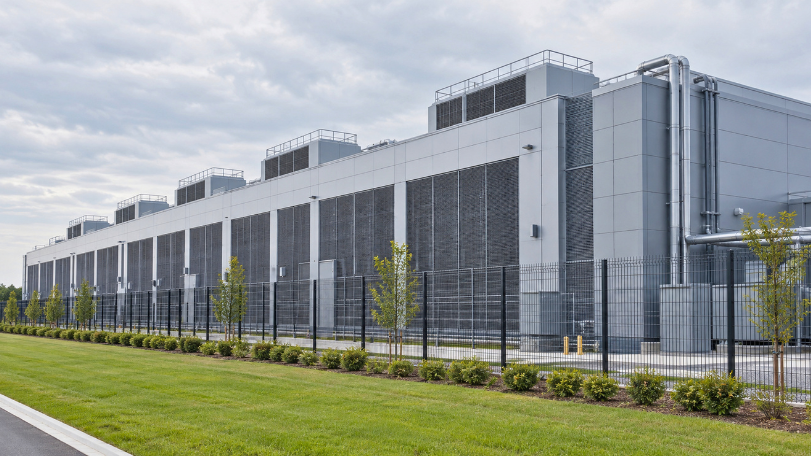
Data center landscaping services are the exterior practices that support reliability, access, safety, and efficiency at critical facilities. A data center’s exterior environment supports the work happening inside the building. Grounds conditions can affect perimeter visibility, access, underground utilities, drainage, equipment clearances, and the ability of employees and emergency teams to reach the facility during severe weather. That makes commercial landscaping for data centers part of the operating plan, not a separate appearance project. Effective data center landscaping services also contribute to cooling efficiency by managing shade, wind, and heat islands around buildings and equipment yards.
When facility, operations, engineering, and procurement teams evaluate a landscape contractor, the usual questions about staffing, service frequency, and price are only the starting point. A qualified partner should understand how to work around critical infrastructure and provide clear evidence that the work was completed safely. Commercial landscape RFP support helps teams translate these expectations into scopes, service levels, and reporting requirements tailored to data centers. With commercial landscape RFP support, owners can compare apples-to-apples proposals for commercial landscaping for data centers.
Security Starts with Recognizable Crews and Clear Sight Lines
Data centers control who enters the property and where vendors may work. A landscape contractor should be prepared to follow the facility’s screening, badging, escort, parking, photography, and access rules. Uniforms, marked vehicles, and recognizable equipment help site personnel identify the team that is expected to be there.
The maintenance plan should also support visibility. Trees and shrubs need regular pruning so they do not obscure fences, gates, cameras, lighting, signage, doors, or vehicle approaches. Planting plans should account for mature size, so today’s enhancement does not create tomorrow’s blind spot. Arborist services for data centers ensure tree selection and pruning support security and equipment clearances, and arborist services for data centers include risk assessments that reduce storm-related hazards.
Safety Records and Site Procedures Should Be Easy to Review
Landscape work involves vehicles, machinery, cutting tools, chemicals, heat, cold, noise, and electrical hazards. Data center clients should expect a contractor to explain its safety program, training practices, incident reporting, personal protective equipment, and supervision. Procurement teams may also ask for OSHA logs, insurance records, experience modification rates, and task-specific procedures.
The operating plan should be site-specific. Crews need defined work zones, approved access routes, emergency contacts, and instructions for any restricted activity. The contractor should also explain how new employees are trained before they enter the property and how changes to site rules reach the field team.
Every Planting and Enhancement Should Respect Utilities
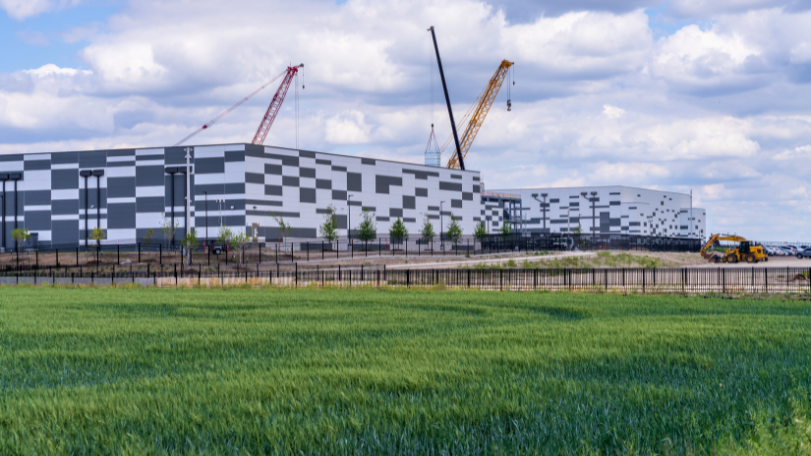
Data centers depend on dense networks of electrical, communications, water, and other infrastructure. Before work begins, the landscape contractor should review available site plans, coordinate with facility contacts, use the 811 process when digging is planned, wait for required utility responses, and work carefully around marked locations.
Utility awareness continues after installation. Trees should not be placed where roots or mature canopies could interfere with underground lines, overhead infrastructure, equipment, or access. Irrigation heads and lines should be designed to avoid sensitive areas. Mulch, soil, and plant material should not cover inspection points, drains, or equipment clearances. Arbor care belongs in the same conversation: a tree inventory and multi-year maintenance plan help track conditions, risk, pruning cycles, replacement needs, and storm exposure through the life of the property.
Water Management Should Connect Irrigation and Drainage
Large roofs, roads, parking areas, and equipment yards create extensive hard surfaces. Rainfall and snowmelt move quickly across those areas, so visible drainage problems deserve prompt attention. Landscape teams should know how to identify blocked inlets, erosion, standing water, damaged swales, failing plant material, and other exterior conditions that may affect the intended drainage plan.
Water stewardship also includes irrigation. Smart controllers, seasonal scheduling, leak detection, properly adjusted heads, and plants matched to site conditions can reduce avoidable outdoor water use. Soil testing and targeted applications help prevent unnecessary fertilizer and chemical use. Employees who handle regulated products should have the licenses, training, and documentation required for the work and jurisdiction. Thoughtful plant selection improves cooling efficiency by reducing reflected heat and creating appropriate shade in occupied areas without obstructing airflow at mechanical yards.
Low-Maintenance Should Mean Site-Appropriate
A low-maintenance landscape is not simply a short list of familiar shrubs. Plant selection should reflect sun, soil, drainage, wind, salt exposure, irrigation availability, mature size, disease pressure, and the facility’s security requirements. Suitable plants around data centers often include drought-tolerant shrubs, native or adapted grasses, groundcovers, and carefully located trees chosen for root behavior and mature form. This approach can reduce repetitive pruning, replacement, mowing, and water demand. It can also improve access to fences and equipment. Where appropriate, trees and vegetation can provide shade and reduce heat buildup on selected paved or occupied areas while preserving cooling airflow to rooftop and ground-mounted equipment.
Reporting Matters When Decision Makers are Off Site
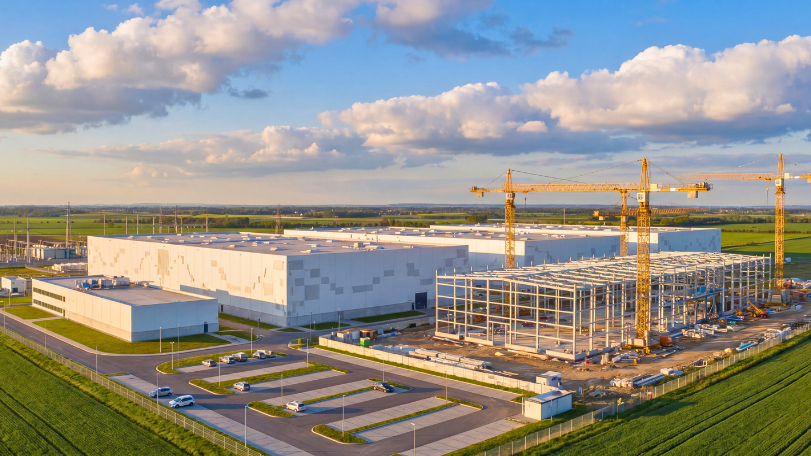
Many facility and portfolio leaders are not present for every service visit. Photo communication reports give them a record of completed work, current conditions, and items that need a decision. A useful report should be consistent, dated, organized by location, and clear about what requires follow-up.
Before the contract begins, the client and contractor should agree on reporting frequency, recipients, urgent issue categories, response expectations, and any restrictions on photography. The contractor should also explain who owns each follow-up action and how unresolved items remain visible.
Snow Plans Should Protect Continuous Access
Winter service at a critical facility requires advanced planning. The contractor and facility team should map priority roads, gates, loading areas, employee entrances, emergency routes, drainage structures, snow storage zones, and areas where deicing materials are restricted. Equipment and materials should be assigned before a storm, with communication and documentation expectations set in the contract. Round-the-clock response is only useful when the plan reflects how the facility operates.
Build the Scope Around the Facility
Complete Landscaping Service provides commercial landscape maintenance, enhancements, irrigation, arbor care, and snow and ice management across Northern Virginia, Maryland, Washington, DC, and Richmond. Our teams deliver data center landscaping services that align exterior service with security standards, access requirements, reporting expectations, water goals, and long-term property plans. We integrate commercial landscaping for data centers with arborist services for data centers to protect assets and support uptime.
If you are preparing an RFP, evaluating a current program, or planning service for a new facility, request a proposal from Complete Landscaping Service. We will review the site and provide commercial landscape RFP support, then build a scope around the way your property operates using proven data center landscaping services.
Request a Data Center Landscaping Proposal