Monthly Commercial Landscape Maintenance Calendar
- Posted on February 20, 2026
- /Under Blog, Commercial Grounds Maintenance, Landscape Design, Landscape Maintenance
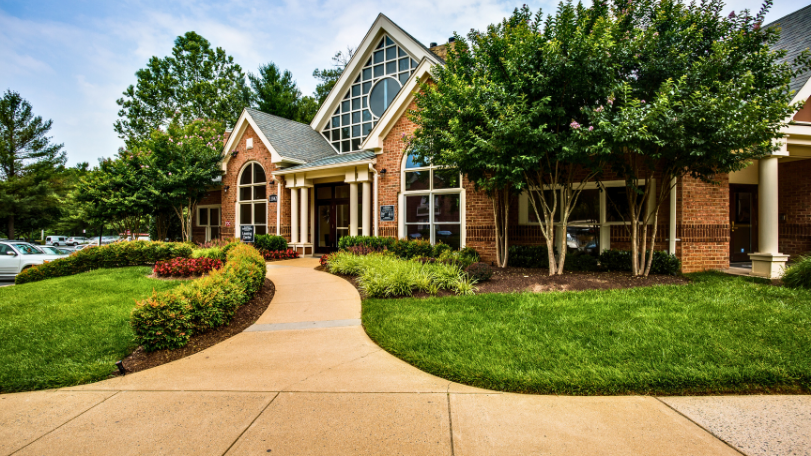
Commercial Landscape Maintenance Calendar: What to Expect Month by Month
Commercial landscapes don’t take a season off—and neither should your maintenance strategy. From winter planning and inspections to peak growing season care and fall recovery, a year-round landscape maintenance program is essential for protecting your investment, maintaining curb appeal, and ensuring your outdoor space reflects a professional image.
This commercial landscape maintenance calendar provides a realistic month-by-month view of how professional commercial landscaping services operate throughout the year for commercial properties.
Design Planning Windows
Many planting and enhancement projects require design lead time for site assessments, budgeting, approvals, and material sourcing.
Best time to contact our Design Team:
-
December–February for Spring planting projects
-
March–July for Fall planting projects
Early commercial landscape planning ensures better plant availability, smoother approvals, and more accurate budgeting for long-term commercial property landscaping goals.
January – Planning, Inspections & Winter Response
Maintenance Focus: Monitoring and site safety
January is a planning and oversight month. Crews focus on site inspections, identifying storm damage, and documenting property conditions across turf areas, landscape beds, and parking lot spaces.
This is also when landscape maintenance schedules and budgets for the upcoming year are finalized for most commercial properties.
Typical services include:
-
Site audits and reporting
-
Winter property inspections
-
Snow and ice management
This is an ideal time to evaluate overall site performance during the winter months and begin planning future enhancements.
February – Tree Health & Dormant Services
Maintenance Focus: Structural plant care
Late winter is optimal for certain tree and shrub treatments while plants are dormant. Proactive tree care services improve long-term safety and plant structure.
Typical services include:
-
Landscape tree elevation pruning
-
Arbor health assessments
Optional services:
-
Soil testing
-
Lime applications
-
Deep root fertilization
- Dormant oil applications
This is also when many properties begin discussing the use of native plants for upcoming planting projects.
March – Spring Activation
Maintenance Focus: Site reset
As temperatures rise, landscapes transition out of dormancy. March is when sites are cleared of winter debris and turf and bed programs begin.
Typical services include:
-
Spring clean-up
-
Bed pre-emergent weed control
-
Initial turf fertilization
-
Shrub trimming begins
Optional services:
-
Irrigation system start-ups
-
Overseeding
-
Supplemental watering
This marks the start of active seasonal landscaping across most sites.
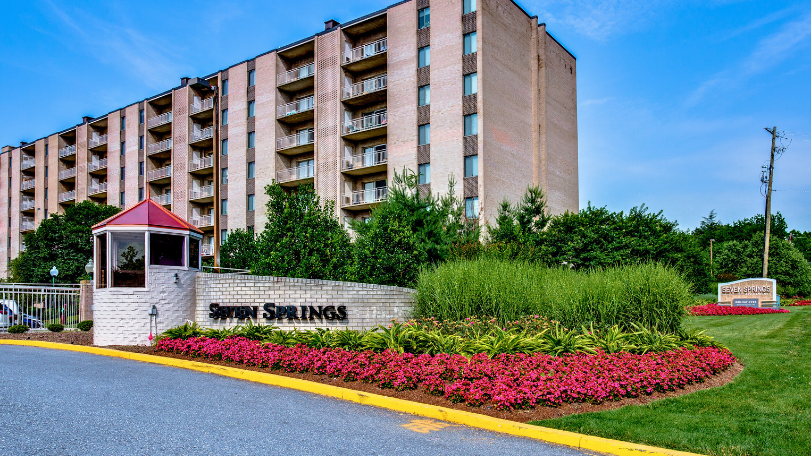
April – Growth Management Begins
Maintenance Focus: Regular service cycles
April marks the beginning of consistent weekly or biweekly maintenance visits and reflects the core of professional, high quality service delivery.
Typical services include:
-
Mowing, trimming, and weeding
-
Power edging of curbs, sidewalks, and parking lot areas
-
Post-emergent weed control
This phase supports the overall health of turf, flower beds, and landscape beds throughout the property.
May – Peak Spring Performance
Maintenance Focus: Visual impact and health
Landscapes reach peak growth and visibility. Attention shifts to plant structure, fertilization, and presentation across key entry points and amenity spaces.
Typical services include:
-
Continued mowing and bed maintenance
-
Shrub trimming
-
Plant bed fertilization
Optional services:
-
Seasonal color installations
-
Pot and planter installations
This is when many commercial properties invest in seasonal landscaping services to enhance curb appeal.
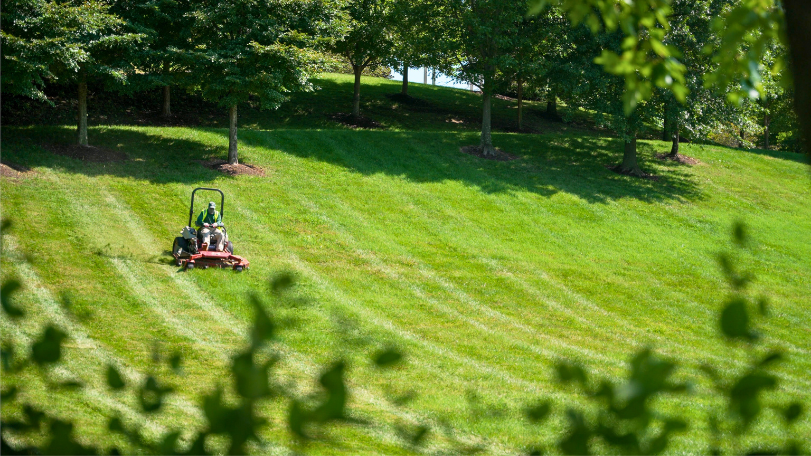
June – Summer Stress Prevention
Maintenance Focus: Heat and pest management
High temperatures and humidity increase stress on turf and plants.
Typical services include:
-
Summer weed control
-
Turf inspections
-
Site audits
Consistent irrigation system maintenance during this period is critical for preventing plant stress and maintaining healthy growth across all landscaped areas.
July – Mid-Season Maintenance
Maintenance Focus: Monitoring and protection
July is about maintaining consistency and catching issues early.
Typical services include:
-
Continued mowing and trimming
-
Weed control
-
Ongoing inspections
Proactive tree care services during mid-season help identify pest, disease, or structural concerns before they become costly problems.
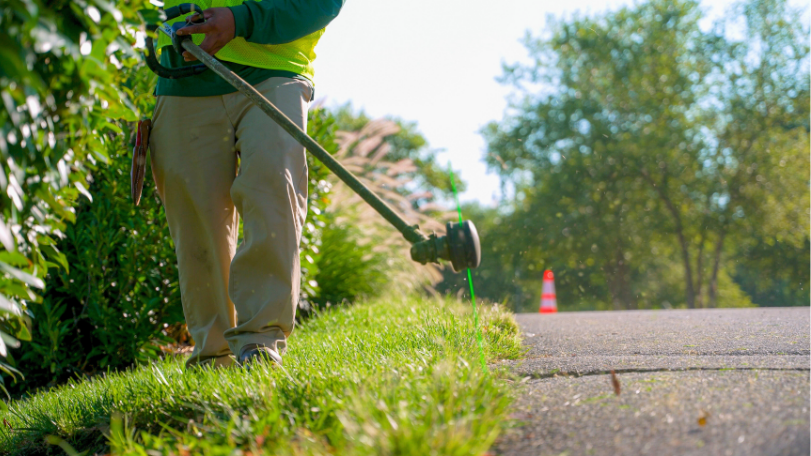
August – Preparing for Fall
Maintenance Focus: Forward planning
While summer maintenance continues, this is a key month for planning fall projects.
Typical services include:
-
Routine summer maintenance
-
Inspections and reporting
This is also the ideal time to scope future landscape enhancement services and coordinate with design teams for fall planting.
September – Fall Improvement Season
Maintenance Focus: Turf recovery
Cooler temperatures make September ideal for turf renovation.
Typical services include:
-
Fall fertilizer applications
-
Leaf monitoring
-
Bed maintenance
Optional services:
-
Aeration and overseeding
-
Fall flower installations
Many properties schedule planting of native plants during this period for long-term sustainability.
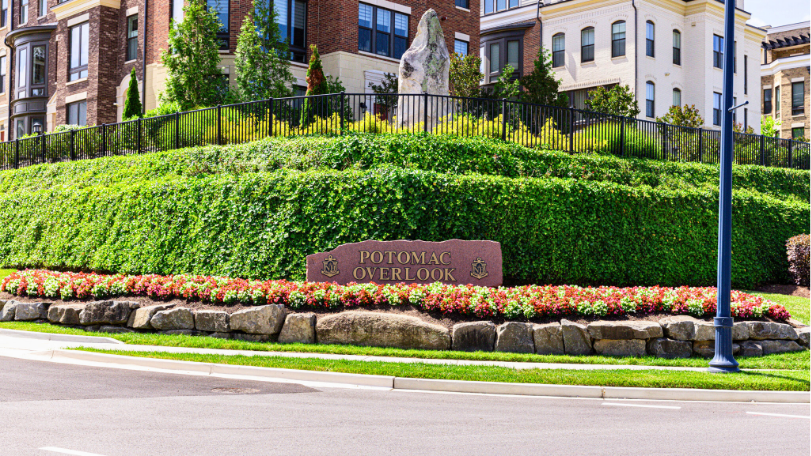
October – Transition Season
Maintenance Focus: Long-term health
October bridges the growing season and winter preparation.
Typical services include:
-
Shrub trimming
-
Continued turf treatments
- Leaf cleanups
Optional services:
-
Fall bed edging
-
Fall mulch applications
-
Irrigation winterization
This time of year is critical for setting the foundation for winter success.
November – Winterization
Maintenance Focus: Protecting assets
Landscapes are prepared for dormancy and colder temperatures.
Typical services include:
-
Leaf clean-ups
-
Final mowing
-
Site audits
This ensures flower beds, turf, and hardscape areas remain safe and functional heading into winter.
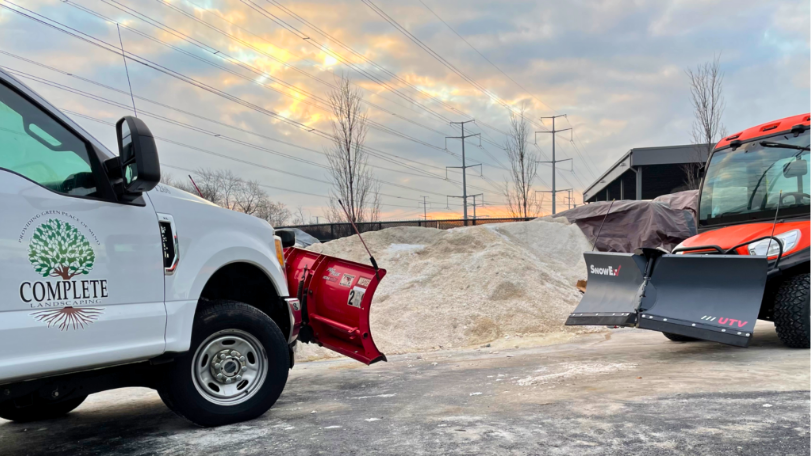
December – Dormancy & Readiness
Maintenance Focus: Closing the season
December is about ensuring sites are safe, clean, and ready for winter operations.
Typical services include:
-
Final inspections
-
Landscape shutdown
This is when snow and ice programs are fully activated and properties transition into winter maintenance mode.
Why a Year-Round Landscape Plan Matters
A structured landscape maintenance schedule provides:
-
Predictable budgeting
-
Fewer emergencies
-
Better asset protection
-
Stronger vendor accountability
-
Higher property value
For commercial properties, a well-managed commercial landscape maintenance calendar supports better landscape planning, ensures consistent standards, and helps maintain a professional, high quality outdoor space throughout the entire year.
Ultimately, a proactive approach to commercial landscaping services is the key to achieving long-term success in seasonal landscaping, safety, and visual performance.
Looking to build your own commercial landscape maintenance calendar?
Contact us to schedule a consultation and start planning for the year ahead.