Commercial Landscaping Services Guide for Property Managers
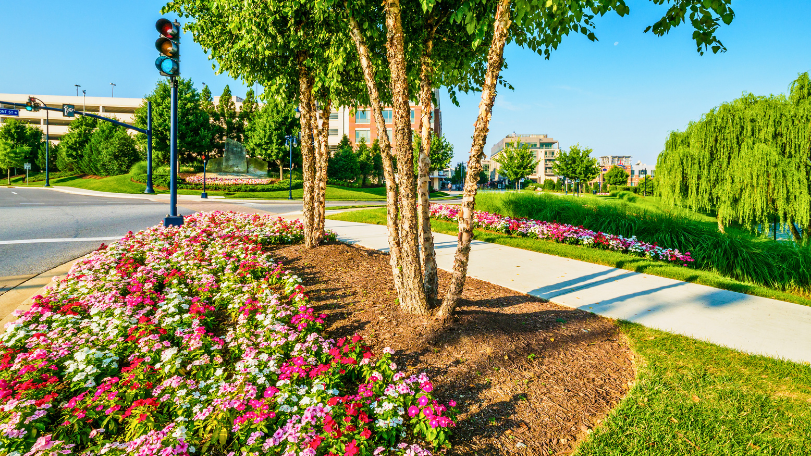
What New Property Managers Should Look for When Walking Their Landscape (Northern Virginia & Maryland Guide)
If you’re a new property manager stepping into a site in Northern Virginia or Maryland, there’s a good chance you didn’t inherit a “blank slate.” You inherited a landscape that’s already in motion, and how it performs over the next few months will depend heavily on what’s already happening beneath the surface.
This property manager landscaping guide is designed to help you understand what to look for during your site walks. Think of it as a practical, real-world commercial landscaping checklist you can use right away.
Whether you’re overseeing HOAs, apartment communities, or commercial sites, understanding how commercial landscaping services and landscape maintenance services actually function will help you avoid common issues and make better decisions from the start.
Start at the Beds. They Tell You More Than You Think
What’s happening
Landscape beds and flower beds are often where inconsistent maintenance becomes most noticeable, with some areas looking full and healthy while others have weeds creeping in, thinning plant material, or faded seasonal color.
What to look for
- Mulch piled against tree trunks (mulch volcanoes)
- Weeds pushing through even after a recent mulch install
- Bare spots or inconsistent mulch depth
- Plants overcrowding each other or spilling into walkways
Why it matters
These issues often indicate gaps in routine care like poor weed control or lack of attention to overall plant health. In well-managed commercial landscaping services, bed maintenance is consistent and intentional.
What to do
Ask how often beds are edged, weeded, and refreshed. This should align with your commercial landscape maintenance schedule, especially during the peak growing season when weeds and plant growth accelerate.
Look Up. Tree Issues Are Easy to Miss Until They’re Not
What’s happening
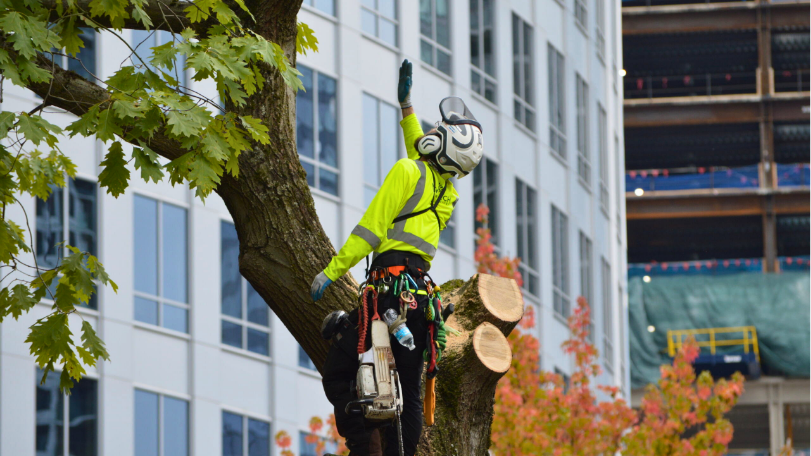
Tree issues usually develop gradually, starting with thinning canopies, dead branches, or subtle signs of decline that are easy to miss without regular inspections.
What to look for
- Dead or hanging branches
- Limbs growing too close to buildings, lights, or walkways
- Thinning canopy or uneven leaf coverage
- Sticky residue or black film, often tied to pests and diseases like scale
Why it matters
Tree issues can quickly turn into safety risks. Dead or weakened branches can fall without warning, especially during storms, and overgrown limbs can interfere with walkways, parking areas, and building facades. Also, left unchecked, pests and diseases can spread and impact surrounding green spaces.
What to do
Ask when trees were last evaluated and whether your commercial landscape company performs regular inspections or works with certified arborists.
Not All Plants Belong Where They’re Planted
What’s happening
In many cases, plants were originally selected without accounting for long-term conditions or how the space would be used, which leads to overcrowding, poor performance, and constant upkeep issues over time.
What to look for
- Plants struggling due to too much or too little sunlight
- Overgrown shrubs blocking signage or sidewalks
- Plants constantly being cut back to stay contained
- Thin or discolored growth
Why it matters
Poor plant placement leads to higher long-term costs and declining plant health. This is often the result of older landscape design decisions that didn’t account for long-term growth.
What to do
Consider whether certain areas would benefit from updated landscape design, including more appropriate plant selection or even incorporating native plants, which are often better suited for local conditions and require less intensive care.
Seeing Patchy Turf? Here’s What It Might Mean
What’s happening
Patchy turf is one of the most common issues property managers notice, especially during seasonal transitions, showing up as thin areas, bare spots, and sections of lawn that green up unevenly across the property.
What to look for
- Areas of thin or bare turf
- Sections growing at different rates
- Color variation across the lawn
- High-traffic areas that don’t recover
Why it matters
In some cases, this is simply due to different grass types growing differently. But if it’s not, it could point to deeper issues within your landscape maintenance program, such as:
- Soil compaction
- Drainage problems
- Poor water management
- Improper fertilization timing
- Irrigation gaps
What to do
Start by identifying turf types on your property. From there, your commercial landscaping services provider should evaluate whether aeration, overseeding, irrigation adjustments, or improvements to water management are needed.
Water Tells a Story If You Know Where to Look
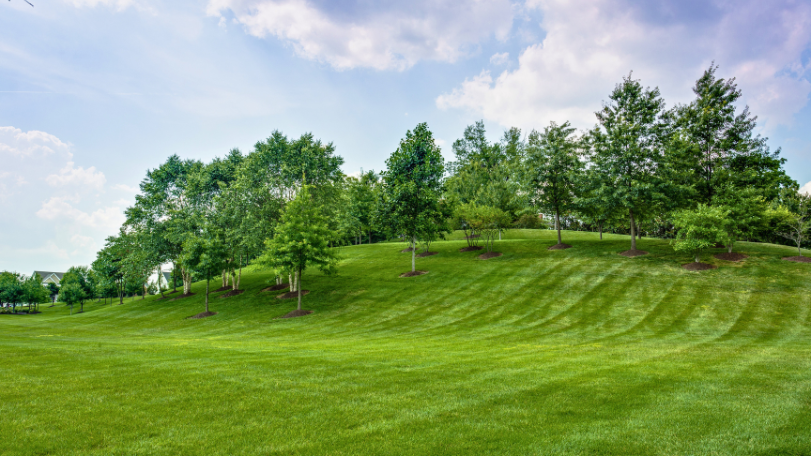
What’s happening
What to look for
- Dry patches next to overly green areas
- Water running onto sidewalks or pavement
- Soggy areas that don’t dry out
- Wilting plants after irrigation
Why it matters
Poor water management affects everything from turf to trees to annual flowers and other seasonal plantings. It also increases costs and can lead to long-term damage.
What to do
Confirm that your irrigation system is inspected regularly and adjusted seasonally. Proper irrigation is critical to maintaining healthy outdoor spaces and consistent results.
Small Maintenance Details Usually Point to Bigger Patterns
What’s happening
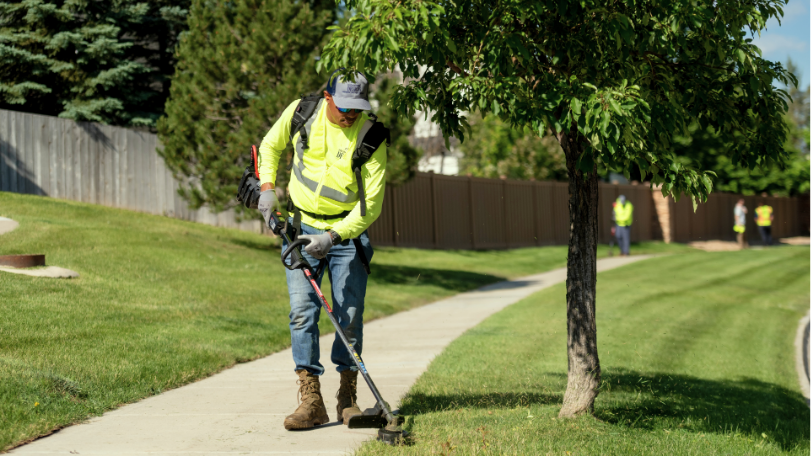
Small inconsistencies don’t stay small for long. Missed details like edging, trimming, or weed control can quickly make the entire property feel less maintained.
What to look for
- Clean or messy bed edges
- Debris left behind after service
- Missed trimming areas
- Inconsistent results across the property
Why it matters
These details impact how residents, tenants, and visitors perceive your outdoor spaces and overall property quality.
What to do
Set clear expectations and ensure your provider is conducting regular inspections and maintaining consistency across all green spaces. It may also help to see if your landscaper offers regular photo reports with the good, the bad, and the ugly of your property.
Don’t Overlook the “Extras” That Shape the Property
What’s happening
Some of the most noticeable improvements or issues aren’t in the turf or beds, but in the surrounding features like sidewalks, curbs, and shared spaces, where debris, overgrowth, or lack of detail work becomes immediately noticeable.
What to look for
- Fading or outdated seasonal color displays
- Poorly maintained retainer walls or hardscape elements
- Underutilized or empty outdoor spaces
Why it matters
These elements play a major role in how the property feels day to day. Well-maintained seasonal color and thoughtfully designed areas can elevate the entire site without major renovations.
What to do
Ask your commercial landscape company for enhancement ideas that improve usability and visual impact without requiring a full redesign.
Practical Takeaways for Your Next Site Walk
Use this quick commercial landscaping checklist during your next walk:
- Check for mulch piled against tree trunks
- Look up for dead or hazardous branches
- Identify plants that may be in the wrong environment
- If turf is patchy, consider grass type, soil, and irrigation
- Watch how water is behaving across the property
- Look for small inconsistencies in maintenance quality
- Take note of overall plant health and condition of flower beds
Managing a property means making decisions based on what you see every day. The more you understand what to look for, the easier it becomes to stay ahead of issues instead of reacting to them later.
Strong commercial landscaping services go beyond routine maintenance. They help you understand what’s happening across your property, identify opportunities to improve outdoor spaces, and make more informed long-term decisions.
For properties across Northern Virginia and Maryland, having a knowledgeable commercial landscape company as a partner can make a noticeable difference in performance, appearance, and cost control.
Contact us today to learn more or schedule a site walk with our team.