Tree Disease Signs and Risks on Commercial Properties
Tree Disease Signs Every Commercial Property Manager Should Know
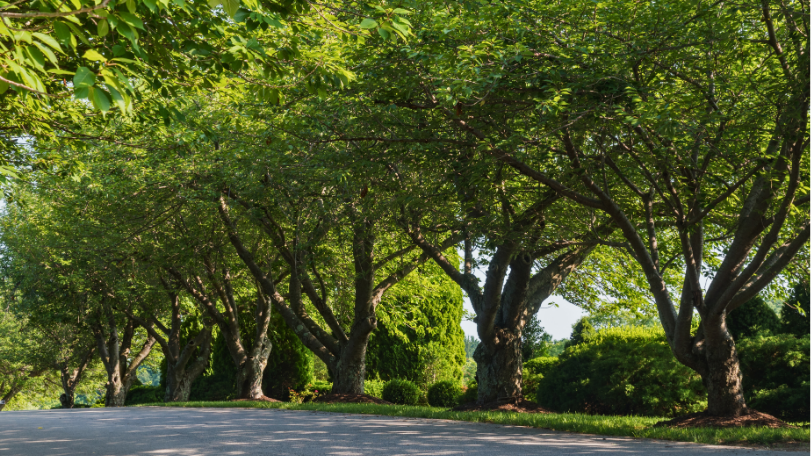
Trees are a major asset on commercial properties. They soften hardscapes, enhance curb appeal, provide shade, and contribute to healthier environments for tenants, visitors, patients, students, and congregations. But when trees begin to decline, the early warning signals are often overlooked — especially on larger properties where day-to-day responsibilities compete for attention.
Understanding common tree disease signs can help property managers take action early, before minor issues turn into costly removals, safety hazards, or liability concerns. The key is knowing what to look for, when to look, and when to bring in professional support.
Why Tree Disease Signs Matter on Commercial Properties
Unlike residential landscapes, commercial properties face unique stressors that make trees more vulnerable to disease. Soil compaction from foot traffic, vehicles, and equipment; restricted root zones near buildings and sidewalks; irrigation challenges; and construction activity all contribute to declining tree health.
Ignoring early tree disease signs can lead to:
-
Increased risk of falling limbs or tree failure
-
Emergency removals instead of planned maintenance
-
Damage to sidewalks, curbs, and utilities
-
Higher long-term landscape costs
-
Safety and liability exposure for owners and managers
Early detection allows for targeted treatment, improved cultural practices, and better budgeting — all while preserving mature trees that add long-term value to the property.

Early Tree Disease Signs to Watch For
Tree diseases rarely appear overnight. Most develop gradually, offering multiple visual clues before serious damage occurs.
1. Leaf Discoloration and Abnormal Growth
Leaves are often the first place tree disease signs appear. Watch for:
-
Yellowing or browning outside of seasonal changes
-
Spots, blotches, or streaking on leaves
-
Curling, wilting, or misshapen growth
-
Early leaf drop during spring or summer
These symptoms may indicate fungal infections, bacterial disease, nutrient deficiencies, or root-related stress.
2. Thinning Canopy or Dieback
A healthy tree should have a full, evenly distributed canopy. Warning signs include:
-
Sparse foliage compared to previous years
-
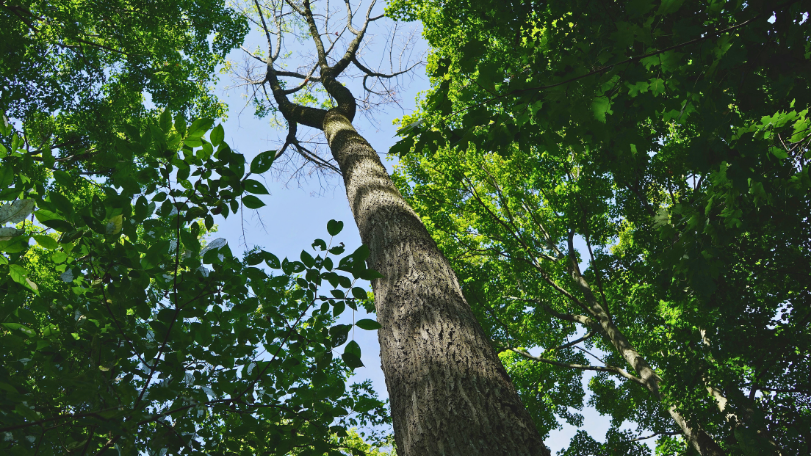
Dead or bare branches at the top of the tree
-
Reduced leaf size or density
Canopy thinning is often linked to systemic disease, root damage, or long-term environmental stress and should be evaluated promptly.
3. Bark Damage and Trunk Abnormalities
The trunk and bark offer important clues about internal health. Look for:
-
Cracks or splits in the bark
-
Peeling or sloughing bark
-
Sunken or swollen areas
-
Oozing sap or dark streaks
These tree disease signs may point to cankers, decay, or pest-related damage that weakens the tree’s structural integrity.
4. Fungal Growth at the Base or on the Trunk
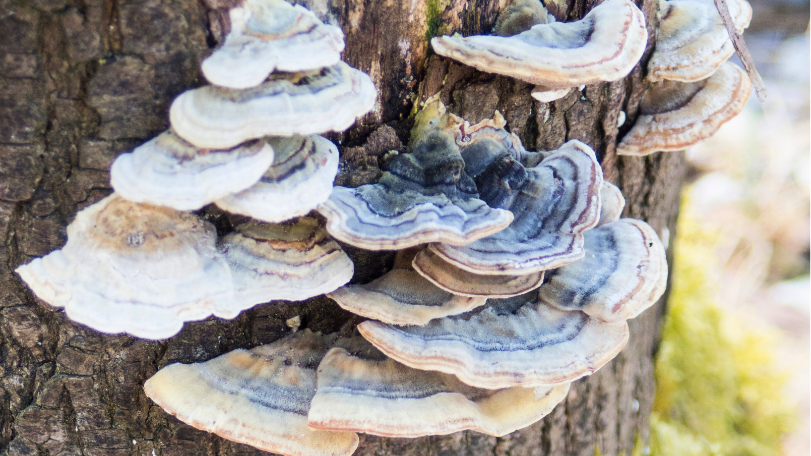
Mushrooms or shelf-like fungi (often called conks) growing near the base of a tree are a serious warning sign. While fungi themselves are not always the primary issue, their presence often indicates internal decay.
On commercial properties, this is especially concerning because internal rot can compromise stability long before a tree shows obvious outward decline.
5. Unusual Insect Activity
Insects often target stressed or diseased trees. Signs include:
-
Small exit holes in the trunk
-
Sawdust-like material around the base
-
Increased bird activity pecking at bark
While insects may not be the root cause, their presence often accelerates decline and signals underlying health issues.
High-Risk Areas Where Tree Disease Signs Appear First
Certain areas of commercial properties tend to reveal problems earlier than others. Trees planted in these locations should be monitored closely:
-
Along sidewalks, curbs, and parking lots
-
Near building foundations
-
In medians or narrow planting strips
-
Around loading zones and service drives
-
Adjacent to construction or renovation areas
Limited soil volume, compacted ground, and poor drainage in these zones increase the likelihood of disease development.
Seasonal Timing: When to Look for Tree Disease Signs
While tree health should be monitored year-round, certain seasons make symptoms easier to spot.
-
Spring: Delayed leaf-out, uneven budding, or early leaf discoloration
-
Summer: Wilting, leaf scorch, thinning canopies, pest activity
-
Fall: Premature leaf drop or unusual leaf color patterns
-
Winter: Deadwood, cracks, fungal growth, structural defects
Scheduling seasonal inspections helps catch subtle changes before they worsen.
The Role of Preventive Tree Care
Spotting tree disease signs is only part of the equation. Preventive care plays a major role in reducing disease risk altogether.
Key preventive practices include:
-
Proper pruning to improve airflow and structure
-
Soil health management, including aeration and amendments
-
Correct irrigation scheduling
-
Mulching to protect roots and regulate moisture
-
Protecting root zones during construction
Healthy trees are far more resilient to disease, pests, and environmental stress.
When to Call a Professional Arborist
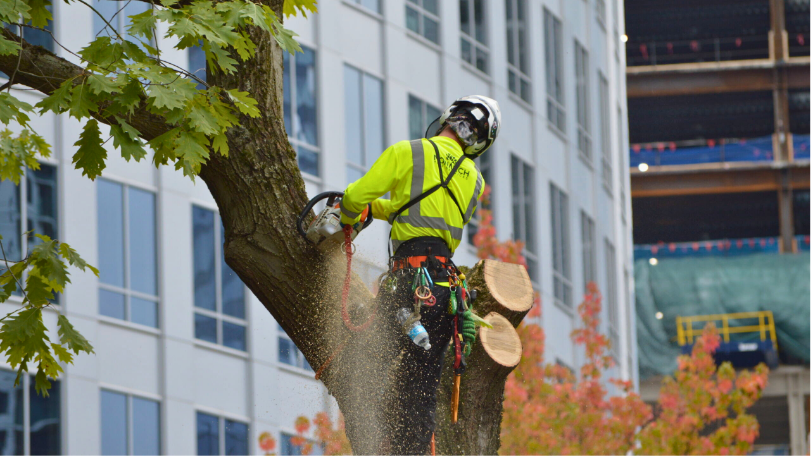
While property managers can identify visible warning signs, accurate diagnosis requires professional expertise. A certified arbor professional can:
-
Determine whether symptoms are disease-related or environmental
-
Recommend treatment options or cultural adjustments
-
Assess structural safety and risk
-
Develop a long-term tree management plan for the property
On larger commercial sites, proactive arbor evaluations are often far more cost-effective than reactive emergency work.
A Smarter, Long-Term Approach to Tree Health
Managing trees on commercial properties isn’t just about aesthetics — it’s about safety, longevity, and responsible stewardship. Recognizing early tree disease signs allows property managers to protect their investment, maintain safe environments, and avoid unexpected disruptions.
At Complete Landscaping Service, we work with commercial property managers throughout Northern Virginia, Maryland, and DC to create proactive, data-driven tree care strategies that support healthy landscapes year after year.